What is a Portrait of a Graduate? And Why It Matters More Than Ever
%20(2).avif)
In today’s rapidly evolving world, academic success alone is no longer the sole indicator of student readiness. Districts across the country are embracing a more holistic vision: the portrait of a graduate. This framework goes beyond test scores to define the skills and mindsets students need to thrive in college, career, and life.
At Learning Genie, we believe this shift is not just a trend — it's a transformation. And tools like Curriculum Genie are designed to support districts in turning their portrait of a graduate into a living, breathing classroom reality.
What Is a Portrait of a Graduate?
A portrait of a graduate is a strategic framework that articulates the competencies every student should embody by the time they leave the K-12 system. These competencies often include becoming a lifelong learner, an effective communicator, a critical thinker, and a contributor to their community.
By defining a graduate profile like this, schools provide clarity on what truly matters. They also create a shared language among educators, students, and families, aligning instruction with 21st century skills for students. Districts often review portrait of a graduate examples to guide their own vision and ensure their model supports academic and personal growth.
Why Is a Portrait of a Graduate Important?
Adopting a portrait of a graduate is more than an academic exercise — it’s an investment in the future of your students and community. This framework helps to:
- Align education with the real world: Colleges and employers seek students with strong 21st century skills for students, not just high test scores.
- Guide instructional decision-making: Having a clear graduate profile allows teachers to understand how their work contributes to long-term student success.
- Strengthen community connections: A portrait of a graduate reflects the values and aspirations of the district, engaging families and local stakeholders in the educational vision.
Districts such as those following the NYS Portrait of a Graduate model demonstrate how this approach can transform K-12 education, creating students ready for life beyond the classroom.
4 Benefits of Implementing a Portrait of a Graduate
Establishing and using a portrait of a graduate brings multiple advantages for students, teachers, and districts:
- Clearer Learning Goals
Every teacher understands how their instruction builds the soft skills examples for students that matter most, from critical thinking to adaptability. - Stronger Student Agency
When students take ownership of their learning, they engage more deeply and develop the skills to thrive as lifelong learners. - Unified Communication with Families and Staff
A shared graduate profile creates a common language for defining success, helping schools and communities work toward the same outcomes. - Preparation for College, Career, and Life
By focusing on effective communicator skills and problem-solving, students leave school equipped with the 21st century skills for students that employers and society demand.

What Do You Need to Implement a Portrait of a Graduate?
To turn your district’s portrait of a graduate from a vision into a daily practice, you need:
- A Clear Definition of Competencies
Identify the portrait of a graduate skills your students should demonstrate, such as being an effective communicator, ethical citizen, and lifelong learner. - Instructional Alignment Tools
Platforms like Curriculum Genie help map your graduate profile to standards-based lessons, integrating soft skills examples for students directly into classroom activities. - Ongoing Professional Development
Teachers need support to design lessons that foster student agency and embed 21st century skills for students into every grade level. - Community Engagement
Successful implementation involves families, local leaders, and students in defining and celebrating the district’s portrait of a graduate.
How Student Agency Relates to Implementing a Portrait of a Graduate
In today’s rapidly evolving world, preparing students with 21st century skills for students is no longer optional. A well-defined portrait of a graduate provides districts with a clear vision of the skills and competencies students need to succeed in college, career, and life. At the heart of this framework lies student agency—the ability for students to take ownership of their learning through goal setting, self-reflection, and meaningful choices.
When districts implement a strong graduate profile, they create learning environments where academic knowledge and soft skills develop side by side. Students not only meet standards but also become lifelong learners, effective communicators, and self-directed problem-solvers.
Key ways student agency supports a portrait of a graduate:
- Encourages students to set personal goals and track their own progress.
- Promotes voice and choice in learning activities, building confidence and independence.
- Strengthens critical thinking and decision-making, essential for 21st century readiness.
- Aligns with the portrait of a graduate competencies, ensuring students develop both academic and life skills.
- Fosters the growth of effective communicators who can collaborate and contribute to their communities.
New York State Context: Where the Portrait of a Graduate Stands
In New York, the State Education Department (NYSED) introduced the New York State Portrait of a Graduate in 2025 as a strategic framework to better prepare students for college, careers, and civic life. This framework highlights key Portrait of a Graduate competencies such as effective communication, student agency, problem-solving, and ethical citizenship. Since its release, districts across the state have been encouraged to adopt and adapt the framework to create a cohesive graduate profile that aligns with local community values and priorities. Early adopters include several urban and suburban districts that have already begun embedding these competencies into their curriculum and professional development plans, setting the stage for statewide implementation.
To begin incorporating a Portrait of a Graduate in New York schools, districts typically need to:
- Form a shared vision team – Include administrators, teachers, students, families, and community members to define local portrait of a graduate skills.
- Align curriculum and instruction – Map standards and learning experiences to support competencies like student agency and 21st century skills for students.
- Invest in professional development – Ensure educators are trained to create lessons that foster voice, choice, and lifelong learning habits.
- Use tools and frameworks – Leverage platforms like Curriculum Genie to integrate portrait of a graduate competencies into daily instruction and track progress effectively.
Districts that follow this approach are seeing tangible benefits, from more engaged learners to a clearer pathway for achieving the New York State Portrait of a Graduate vision.
.avif)
Districts in New York Already Implementing the Portrait of a Graduate
While New York's Portrait of a Graduate (PoG) became official on July 14, 2025, through formal adoption by the Board of Regents and NYSED, several districts began pilot efforts in advance to align with the state’s broader NY Inspires initiative.
One district leading the way is South Seneca Central School District, which began integrating the NYS Graduation Measures Initiative—including all four transformative actions—with special emphasis on the PoG framework as early as October 2024. South Seneca embedded the six core competencies—such as effective communication, critical thinking, and global citizenship—into curriculum redesign, redefined credits, and expanded pathways to graduation beyond traditional Regents exams.
Beyond South Seneca, NYSED continues to support regional BOCES networks and districts—particularly in urban and suburban areas—through pilot programs, stakeholder engagement, and professional learning communities as part of Phase 1 (installation), preparing for statewide rollout between Fall 2025 and Summer 2027.
How to Embed the Portrait of a Graduate in Curriculum Genie?
If your district is defining or implementing its Portrait of a Graduate, Curriculum Genie makes it simple to turn that vision into daily classroom practice. By embedding life-ready skills like critical thinking, communication, and problem-solving directly into your units, you ensure every lesson contributes to developing confident, self-directed learners.
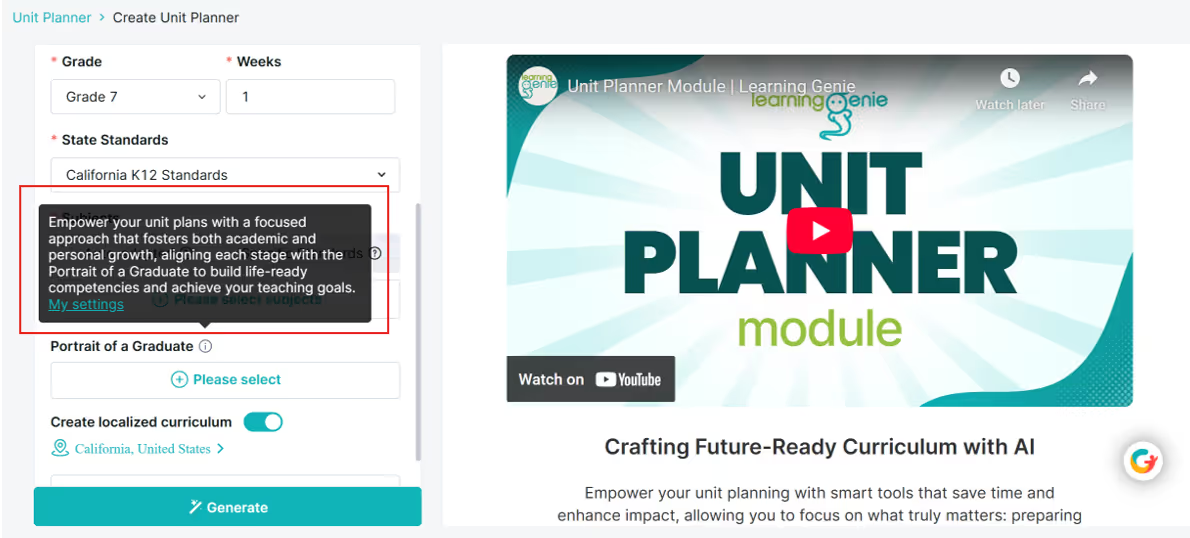
1. Select Your Portrait of a Graduate and Settings
When creating a new unit, simply choose your district’s Portrait of a Graduate profile from the dropdown menu. Then, go to My Settings to customize how these competencies and skills align with your unit goals — embedding life-ready skills from the very start.
2. Tailor Your Portrait of a Graduate Attributes
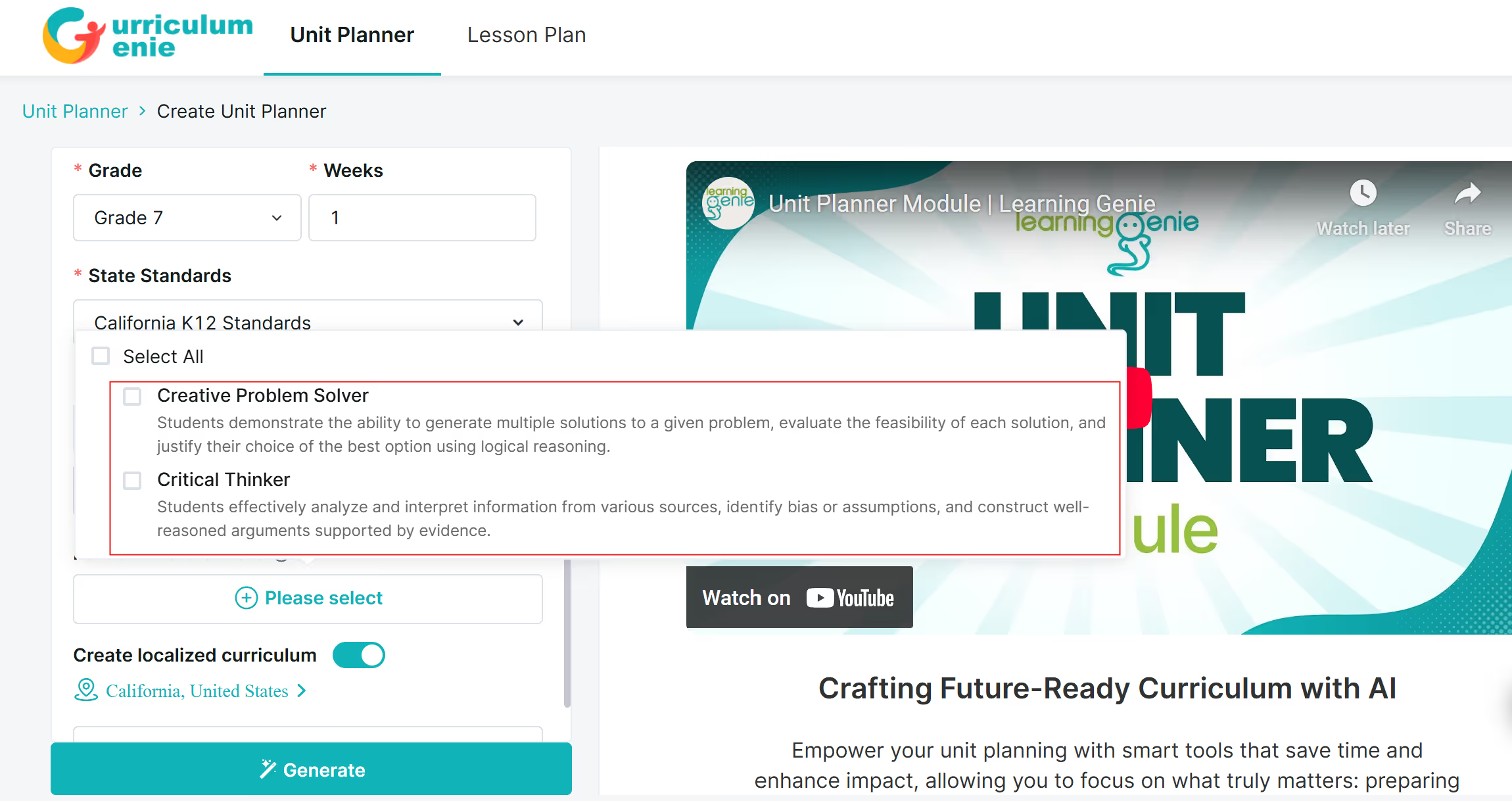
Adjust the key attributes and expectations for each grade level to match your teaching objectives. Easily highlight and customize competencies like Creative Problem Solver or Critical Thinker, making your graduate profile authentic and actionable.
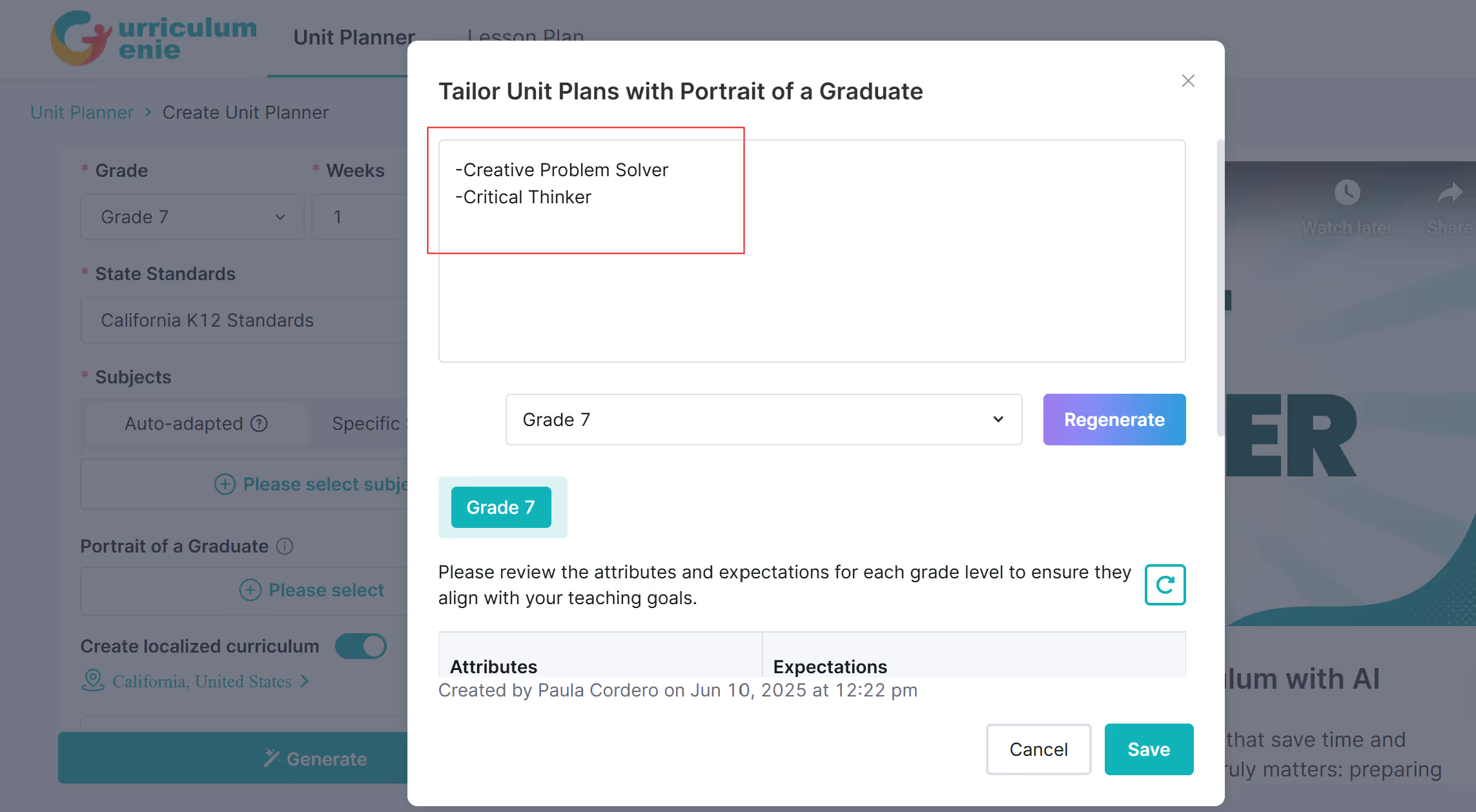
3. Review Attributes and Expectations
Carefully review the selected competencies to ensure they align with your instructional goals. Clearly define what students should demonstrate — whether it’s problem-solving, collaboration, or critical thinking — so learning targets are transparent for both teachers and students.

4. Select the Portrait of a Graduate Competencies to Focus On
Choose the specific attributes and expectations you want to emphasize in your unit plan. This focus allows you to design lessons and assessments that intentionally build skills like Creative Problem Solver or Critical Thinker with clarity and purpose.
Bringing your Portrait of a Graduate to life doesn’t have to be overwhelming. With Curriculum Genie, districts can seamlessly embed graduate competencies into everyday instruction, ensuring students build the skills they need to succeed in college, career, and life. Ready to see how your vision can become a reality? Book a demo of Curriculum Genie and discover how to empower your teachers and students today

Frequently Asked Questions (FAQs)
Q: Does a Portrait of a Graduate replace academic standards?
A: No. A Portrait of a Graduate complements academic standards rather than replacing them. Standards define the subject knowledge and skills students are expected to learn, while PoG competencies—such as communication, critical thinking, collaboration, and reflection—can be developed alongside academic learning in standards-aligned experiences.
Q: Do all districts need to use the same Portrait of a Graduate competencies?
A: No. A Portrait of a Graduate should reflect the priorities and aspirations of the district and its community. Districts can define or adapt competencies to fit their local vision, while state frameworks can provide a broader starting point. Curriculum Genie also allows educators to select and tailor PoG attributes and grade-level expectations to their instructional goals.